Imagine your daily commute transformed into a private concert hall, where every note is crisp, every beat is deep, and the sound envelops you with breathtaking clarity. This isn’t a distant dream; it’s the reality of modern car audio upgrades, evolving at an incredible pace to deliver unparalleled in-car entertainment.
As we navigate towards 2025 and beyond, the world of car sound systems is buzzing with innovation, offering more personalized, immersive, and high-fidelity experiences than ever before. Whether you’re a casual listener or an audiophile, upgrading your car’s audio can dramatically enhance your driving pleasure, making every journey an event.
Why Upgrade Your Car Audio System?
For many drivers, the factory-installed sound system is merely “adequate.” While original equipment manufacturer (OEM) systems have improved, they are often designed with budget constraints in mind, using components that can distort at higher volumes and lack the depth, clarity, and dynamic range that true music lovers crave. This is where aftermarket car audio shines, offering a significant leap in sound quality and features.
The global car audio market is booming, projected to reach USD 21.61 billion by 2031, with the aftermarket segment growing rapidly at a 12.18% CAGR. This growth is a testament to consumers’ increasing demand for superior in-car sound. Upgrading your car audio system isn’t just about louder music; it’s about experiencing your favorite tracks with newfound detail, enjoying a more immersive soundstage, and gaining access to advanced features that factory systems simply don’t offer.
Aftermarket systems generally outperform factory counterparts by utilizing higher-quality materials, more powerful amplification, and advanced signal processing. This translates into cleaner highs, richer mids, and a more impactful bass response, even at lower volumes. You’ll hear instruments and vocals you never knew were there, transforming your vehicle into a true sanctuary for sound.
Top Car Audio Trends & Innovations for 2025-2026
The future of car audio is here, brimming with technological advancements that promise to redefine your listening experience. From artificial intelligence to three-dimensional sound, these trends are making car audio upgrades more exciting than ever.
AI-Powered Sound Personalization
Artificial intelligence is no longer just for your smartphone; it’s making its way into your car’s sound system. AI-powered systems are designed to learn your listening habits, cabin acoustics, and even external factors like road noise or weather. BMW and Mercedes-Benz are already integrating AI-assisted infotainment, with expectations for AI to dynamically adjust speaker setups and equalization in real-time, delivering a perfectly optimized sound tailored just for you, every single drive.
Immersive 3D and Spatial Audio
Imagine sound coming from above, behind, and all around you, creating a truly three-dimensional soundstage. Technologies like Dolby Atmos and DTS:X, once exclusive to home theaters, are now being integrated into vehicles. This immersive audio experience is achieved through sophisticated digital signal processing (DSP) and strategically placed multiple speakers, transforming your car into a mobile concert hall where audio is perceived from all directions.
Advanced Wireless Connectivity
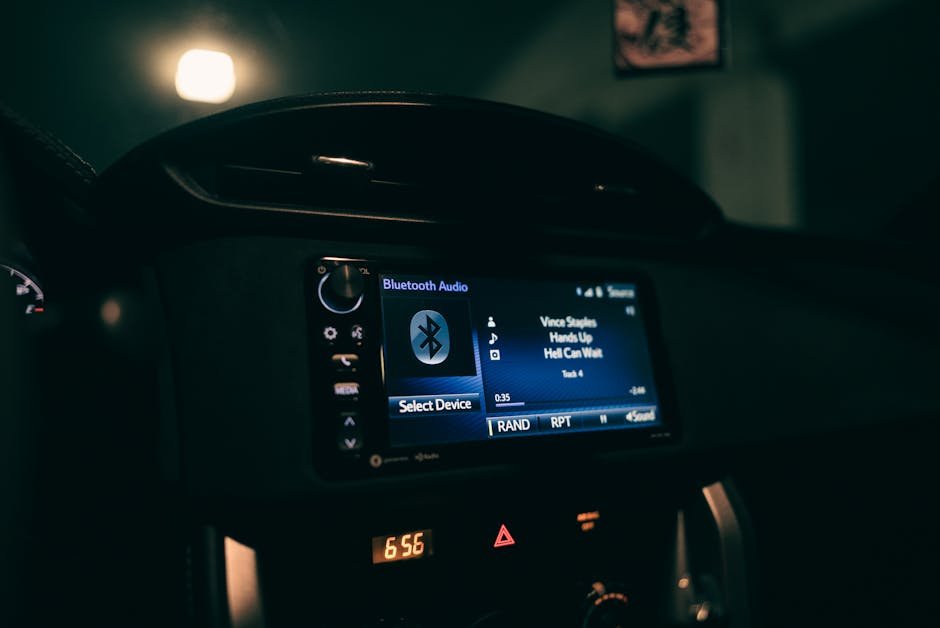
The demand for seamless integration continues to drive innovation in wireless connectivity. Bluetooth, Wi-Fi Direct, Apple CarPlay, and Android Auto are becoming standard, offering effortless smartphone integration and access to your digital world. Beyond these, 5G-powered streaming is emerging, promising buffer-free, high-quality audio and instant access to cloud-stored music libraries. Wireless ultra-wideband connectivity is also projected to grow significantly, ensuring faster and more reliable connections for all your devices. If you’re looking to explore different in-car systems that leverage this connectivity, you might find our article on CarPlay Alternatives insightful.
High-Resolution Audio (HRA)
For audiophiles, the push towards High-Resolution Audio (HRA) is a game-changer. HRA offers a superior listening experience compared to compressed formats like MP3s, delivering studio-quality sound with incredible detail and dynamic range. Modern car audio systems are increasingly supporting high-resolution audio formats like FLAC files and LDAC Bluetooth, allowing you to hear music exactly as the artist intended.
Digital Signal Processing (DSP)
Digital Signal Processing (DSP) is the brain behind modern car audio. This technology allows for incredibly precise fine-tuning of sound, enabling exact equalization, time alignment (to ensure sound from all speakers reaches your ears at the same time), and crossover settings. The latest AI-assisted DSPs can perform real-time acoustic calibration, monitoring the cabin environment and dynamically adjusting to noise and other factors to maintain optimal sound quality.
Compact & Hidden Subwoofers
As vehicle designs evolve and trunk space becomes a premium, compact and shallow-mount subwoofers are soaring in popularity. These innovative designs offer powerful, deep bass solutions without sacrificing cargo room. They can be installed under seats, behind panels, or in custom-fit enclosures like the JL Audio Stealthbox (expected in 2026), providing a robust low-end presence while remaining virtually invisible. This trend is particularly popular among electric vehicle (EV) owners who seek to compensate for the absence of engine noise.
Your First Car Audio Upgrade: Where to Start?
Embarking on car audio upgrades can seem daunting, but knowing where to begin makes all the difference. Many experts agree that prioritizing components that offer the most noticeable improvement for your investment is key. Here’s a common progression:
- Speakers: Often, the biggest immediate improvement comes from upgrading your factory speakers. Even with your existing head unit, better quality speakers will deliver clearer highs, richer mids, and improved bass response. This is because factory speakers are typically made with inexpensive materials that can distort easily.
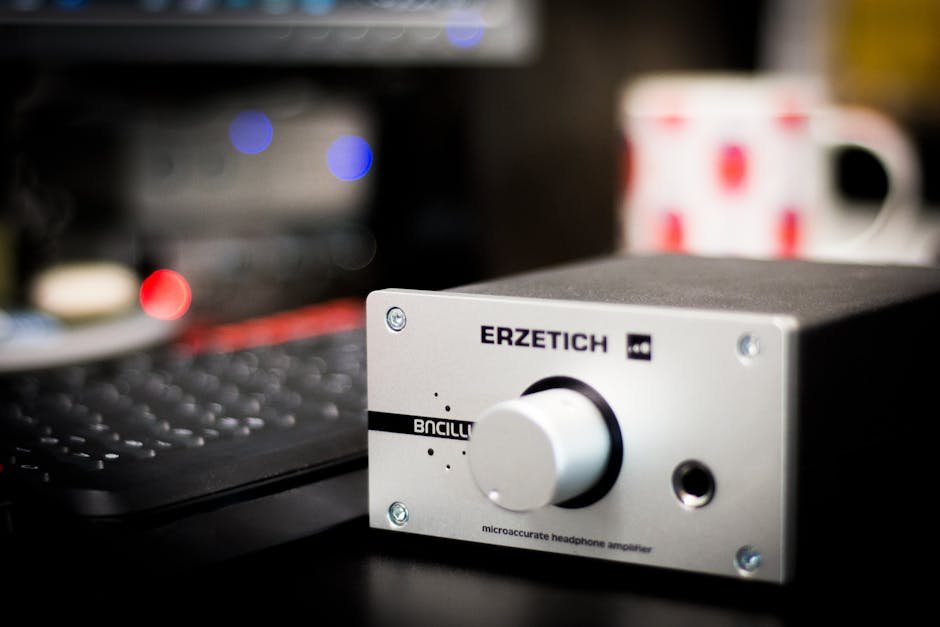
- Amplifier: Once you have quality speakers, an amplifier provides the clean, robust power they need to perform at their best. An amplifier boosts the signal from your head unit, allowing your speakers to play louder without distortion and revealing more detail in your music.
- Subwoofer: For those who crave deep, impactful bass, a subwoofer is the next logical step. It handles the lowest frequencies that regular speakers struggle with, adding warmth and fullness to your music.
- Digital Signal Processor (DSP) or Head Unit: For the ultimate control and sound customization, a dedicated DSP or an aftermarket head unit with advanced DSP capabilities allows you to fine-tune every aspect of your sound, from equalization to time alignment.
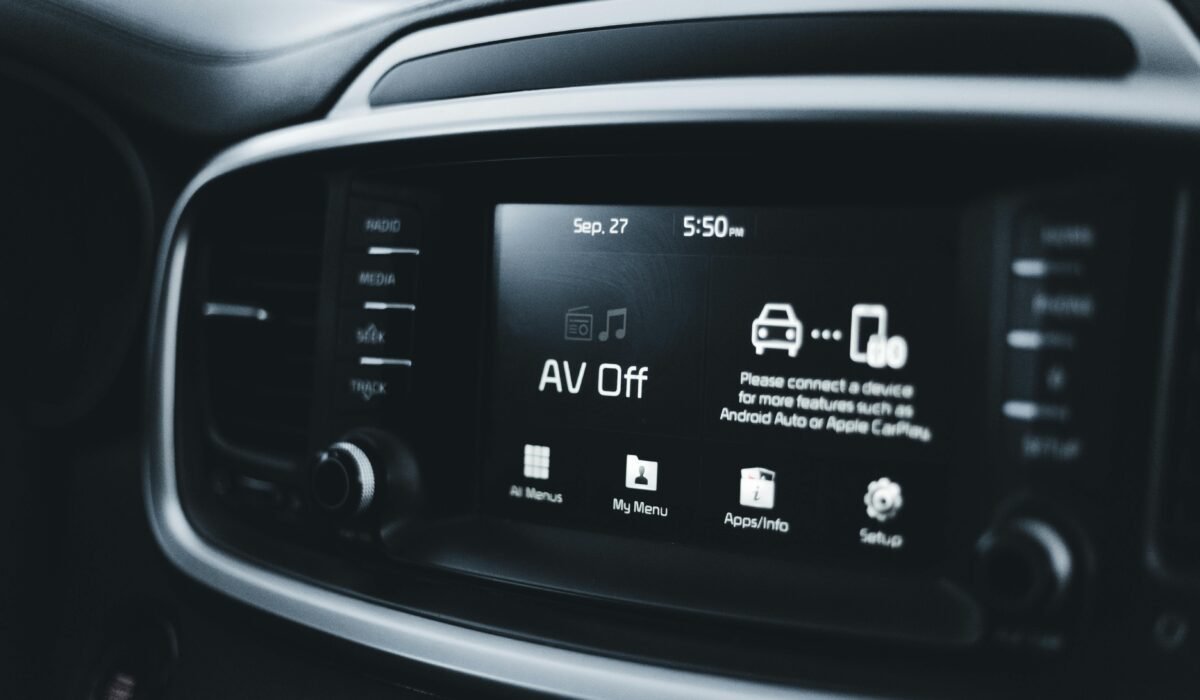
Alternatively, some enthusiasts start with an aftermarket head unit (radio) as their first upgrade. A new head unit often provides more power, better sound processing, and modern features like Apple CarPlay/Android Auto and high-resolution audio support, setting a strong foundation for future component upgrades.
Enhancing Sound While Keeping Your Factory Stereo (OEM Integration)
In today’s vehicles, replacing the factory head unit can be a complex affair, often leading to the loss of integrated controls for climate, navigation, or vehicle settings. Fortunately, the trend in 2025 is firmly towards OEM integration, allowing you to significantly enhance your car’s sound quality while retaining your existing factory stereo and its crucial functionalities.
This approach is perfect for owners of newer, technologically advanced vehicles who want better sound without altering their car’s aesthetics or functionality. OEM integration typically involves adding aftermarket components that work seamlessly with your stock system. Key to this strategy are:
- Digital Signal Processors (DSPs): These devices take the audio signal from your factory stereo, clean it up, and allow for precise manipulation. They correct factory equalization, time alignment, and crossover points, providing a neutral, high-quality signal for your aftermarket amplifiers and speakers.
- Aftermarket Amplifiers: A dedicated amplifier provides the necessary power to drive new, higher-quality speakers and subwoofers. Many modern amplifiers are designed to accept speaker-level inputs directly from factory stereos, simplifying installation.
- Speaker Upgrades: Even with a factory head unit, replacing your vehicle’s speakers with premium aftermarket options will yield a dramatic improvement in clarity, detail, and overall sound quality.
By using these components, you can bypass the limitations of your factory system’s internal amplifier and processing, delivering a superior audio experience while keeping all your original controls intact. Regarding warranties, while drilling or routing wires can potentially affect specific parts, reputable installers take care to avoid impacting your car’s warranty. It’s always wise to discuss this with your installer and review your vehicle’s warranty specifics.
Key Components: Amplifiers, Subwoofers & Sound Deadening Explained
Understanding the core components of an aftermarket car audio system is crucial for making informed upgrade decisions. Each plays a distinct role in shaping the final sound.
Amplifiers: The Powerhouse
An amplifier is the heart of any serious car audio system. Its primary job is to boost the low-level audio signal from your head unit (or DSP) to a higher voltage, providing the necessary power for your speakers and subwoofers to operate efficiently. Factory head units have very limited power output, causing speakers to distort at higher volumes. An aftermarket amplifier:
- Increases Volume: Allows your speakers to play much louder without distortion.
- Improves Sound Quality: Delivers a cleaner, more controlled signal, resulting in clearer highs, richer mids, and tighter bass.
- Unlocks Speaker Potential: Enables higher-quality speakers to perform at their peak, revealing nuances in your music you might have missed.
Class-D amplifiers are particularly popular and show the fastest growth, known for their efficiency and compact size, making them ideal for modern vehicle installations.
Subwoofers: Unleashing the Bass
If you love music with a strong rhythmic foundation, a subwoofer is an indispensable addition. Regular car speakers, especially smaller ones, struggle to reproduce very low frequencies effectively. A subwoofer is specifically designed to handle these deep bass notes, providing a full, rich, and dynamic listening experience. Benefits include:
- Deep Bass: Produces frequencies that standard speakers cannot, adding impact and warmth to your music.
- Enhanced Dynamics: Frees up your main speakers to focus on mid-range and high frequencies, improving overall clarity.
- Immersive Feel: The physical sensation of bass adds a new dimension to your audio, making you feel the music as well as hear it.
With the rise of compact and hidden subwoofers, you can achieve powerful bass without sacrificing valuable trunk space, a common concern for many drivers.
Sound Deadening: The Silent Enhancer
Often overlooked, sound deadening is a fundamental upgrade that can dramatically improve your car’s acoustics. It involves applying special materials to various surfaces within your vehicle—doors, floor, trunk, and roof—to reduce unwanted noise and vibrations. The benefits are profound:
- Reduces Road Noise: Minimizes external noise intrusion, creating a quieter cabin environment. This allows your music to stand out more clearly, even at lower volumes.
- Eliminates Vibrations: Prevents rattling and buzzing from panels caused by powerful speakers and subwoofers, ensuring a cleaner sound.
- Improves Bass Response: By creating a more solid enclosure for your speakers, sound deadening helps speakers, particularly woofers, to produce tighter, more impactful bass.
Think of sound deadening as creating a better acoustic environment for your speakers, allowing them to perform optimally and letting you hear more of your music and less of the road.
Choosing the Right Car Audio Brands & Products
The car audio market is vast, with numerous brands offering a wide range of products. Selecting the right components for your car sound system involves considering your budget, your preferred sound signature, and the specific acoustics of your vehicle. While personal preference plays a huge role, some brands consistently stand out for their quality, innovation, and reliability.
Leading brands often cited for their excellence in 2025-2026 include:
- JL Audio: Renowned for their high-performance subwoofers and amplifiers, with products like the Stealthbox offering custom-fit solutions.
- Alpine: Known for cutting-edge head units, speakers, and amplifiers, with their X-Series (late 2025) featuring revamped DSP for pristine audio.
- Focal: A premium brand celebrated for its exquisite speakers, such as the K2 Power series, delivering exceptional clarity and detail.
- Kenwood & Pioneer: Long-standing industry giants offering a comprehensive range of products, from head units to speakers, with Pioneer’s Z-Series (2025) promising studio-quality sound.
- Rockford Fosgate & Kicker: Popular for powerful amplifiers and subwoofers, with Kicker’s KS-Series (2026) featuring re-engineered woofers and improved tweeters.
- Morel & Hertz: Respected for their audiophile-grade speakers and component sets.
- Bavsound: Specializes in plug-and-play upgrades specifically for BMW, MINI, Supra, and Rolls-Royce, offering tailored speaker kits, subwoofers, and amplifiers.
When choosing products, consider:
- Your Budget: High-end components offer superior performance, but excellent sound can be achieved at various price points.
- Sound Preference: Do you prefer deep, thumping bass, crisp highs, or a balanced, natural sound? Different brands and product lines cater to different sonic tastes.
- Vehicle Compatibility: Ensure components fit your car’s specific make and model. Crutchfield, for example, is an excellent resource for checking compatibility.
- Reviews and Reputation: Look for expert reviews and user testimonials to gauge product performance and reliability.
Don’t be afraid to mix and match components from different brands to create a system that perfectly suits your ears and your ride. The goal is to build a cohesive car sound system that delivers the audio experience you desire.
DIY vs. Professional Installation: What You Need to Know
Once you’ve selected your desired aftermarket car audio components, the next crucial decision is how to get them installed. The choice between a do-it-yourself (DIY) installation and professional help largely depends on your technical skill, available time, and the complexity of your chosen upgrades.
DIY Installation
DIY installations account for approximately 64% of the aftermarket, fueled by online sales and a wealth of online tutorials. For simpler upgrades, like replacing speakers or a basic head unit in an older vehicle, DIY can be a rewarding and cost-effective option.
Pros:
- Cost Savings: You save on labor costs, which can be substantial.
- Learning Experience: You gain a deeper understanding of your vehicle’s electronics and your new audio system.
- Satisfaction: There’s a sense of accomplishment in doing it yourself.
Cons:
- Time-Consuming: Even simple tasks can take hours for a novice.
- Risk of Error: Incorrect wiring can damage components or your vehicle’s electrical system.
- Complexity: Modern vehicles with integrated electronics (like those requiring OEM integration) are significantly more challenging.
- Lack of Tools: Specialized tools might be required for certain installations.
Professional Installation
For more complex car audio upgrades, particularly those involving amplifiers, subwoofers, DSPs, or intricate OEM integration, professional installation is often the wisest choice.
Pros:
- Expertise: Professional installers have the knowledge, experience, and specialized tools to perform installations correctly and efficiently.
- Quality Assurance: They ensure optimal performance, proper wiring, and seamless integration with your vehicle’s existing systems.
- Warranty Protection: Many shops offer warranties on their labor, providing peace of mind. They are also adept at avoiding issues that could void your car’s warranty.
- Tuning: Professionals can acoustically tune your system to your vehicle’s interior, optimizing sound quality.
Cons:
- Cost: Professional installation comes with labor fees, which can add significantly to the overall cost of your upgrade.
- Time: You’ll need to schedule an appointment and leave your vehicle at the shop.
For systems involving advanced DSPs, multiple amplifiers, or custom fabrication, the precision and knowledge of a professional installer are invaluable. They can ensure your investment delivers its full potential without compromising your vehicle’s integrity or functionality.
“The global car audio market was valued at USD 12.24 billion in 2025 and is projected to reach USD 21.61 billion by 2031, growing at a Compound Annual Growth Rate (CAGR) of 9.93% during this period. While OEM systems held a dominant 68.32% market share in 2025, the aftermarket segment is rapidly growing at a 12.18% CAGR, fueled by do-it-yourself (DIY) customers and online sales.” — Mordor Intelligence
Whether you choose to DIY or go pro, thorough research and understanding your own capabilities are key. For complex projects or if you’re unsure, investing in professional installation is often the best way to protect your investment and ensure an outstanding listening experience.
The world of car audio upgrades is dynamic and exciting, offering endless possibilities to transform your daily drive into an auditory adventure. With innovations like AI personalization, immersive 3D sound, and high-resolution audio becoming mainstream, there’s never been a better time to enhance your vehicle’s sound system. From simply swapping out speakers to a full OEM integration with powerful amplifiers and subwoofers, the path to superior sound is clearer than ever.
Don’t settle for mediocre sound; explore the incredible potential of modern car audio. Consult with a reputable car audio specialist, research the latest trends and products, and take the first step towards a truly immersive listening experience. Your ears—and your commute—will thank you.