The smartphone landscape is undergoing its most significant transformation in years, moving beyond iterative upgrades to embrace truly innovative form factors. If you’ve been watching the evolution of mobile technology, you know that the future is unfolding – quite literally – with the rise of the best foldable phones.
Once considered a niche luxury, foldable smartphones are rapidly maturing, shedding their early quirks to become robust, powerful, and increasingly indispensable devices. The period of 2025-2026 is poised to be a pivotal era, bringing unprecedented advancements in design, durability, and user experience. Get ready to explore the top contenders and exciting future trends that will define the next generation of mobile computing.
The Foldable Phone Revolution: 2025-2026 Market Outlook
The foldable smartphone market is no longer a distant dream; it’s a vibrant reality experiencing explosive growth. What began as an experimental segment is now a key driver of innovation, pushing the boundaries of what a smartphone can be. As we look towards 2025 and 2026, the trajectory for foldable devices is nothing short of revolutionary.
Industry analysts forecast impressive market expansion. Worldwide foldable smartphone shipments are expected to reach 20.6 million units in 2025, marking a significant 10% year-on-year increase. This momentum is set to accelerate further, with a projected 30% year-on-year growth anticipated for 2026, according to IDC, a leading global provider of market intelligence. While still a fraction of the overall smartphone market, foldables are crucial for reigniting consumer excitement and motivating upgrades in a largely stagnant traditional smartphone segment.
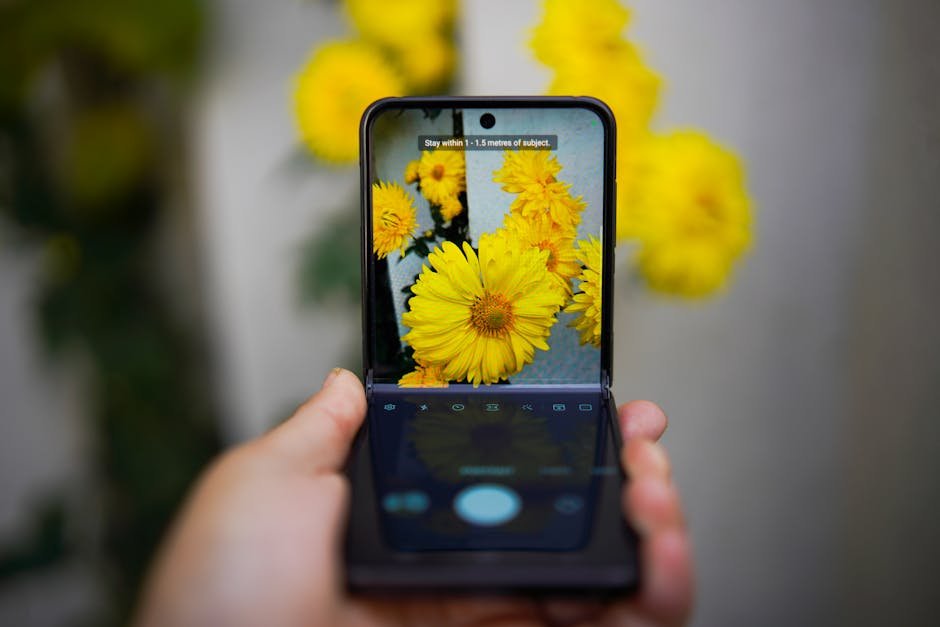
Currently, the market is dominated by two primary form factors. The “book-style” foldables, like the Samsung Galaxy Z Fold series and Google Pixel Fold, transform a standard smartphone into a tablet-like device, offering expansive screens for productivity and entertainment. On the other hand, “clamshell-style” foldables, such as the Samsung Galaxy Z Flip series and Motorola Razr, prioritize compactness, folding down into a pocketable, stylish accessory that unfolds into a full-sized smartphone. Both styles are pushing the envelope with flexible OLED displays, sophisticated hinge mechanisms, and advanced multitasking capabilities, making them increasingly appealing to a broader consumer base.
Key Trends: Durability, Design & Software Innovations
The advancements in foldable technology are happening at a breathtaking pace, with 2025-2026 set to introduce a new benchmark for what these devices can offer. Several key trends are shaping the future of foldable smartphones, addressing early concerns and elevating the user experience.
Unprecedented Durability and Robustness
One of the biggest initial hurdles for foldable phones was durability, but manufacturers have made tremendous strides. Hinge mechanisms are now engineered to withstand hundreds of thousands of folds, with some devices like the OnePlus Open even TÜV Rheinland certified for an incredible 1,000,000 folds. Materials are also getting tougher; Samsung’s Galaxy Z Fold 7 and Z Flip 7 utilize Armor Aluminum, while other brands are exploring aerospace-grade titanium and cobalt molybdenum alloy for enhanced resilience.
Water and dust resistance, once a major concern, is also vastly improving. Many newer foldables boast IPX8 ratings, protecting them from submersion in water. The Google Pixel 10 Pro Fold, for example, is anticipated to be one of the first foldables with a full IP68 rating, offering comprehensive protection against both water and dust. Furthermore, the “water-drop hinge” design is becoming prevalent, allowing for a flatter fold that significantly reduces the visibility of the screen crease and protects the inner display more effectively.
Sleeker Designs and Enhanced Portability
Early foldables were often criticized for being bulky, but the next generation is focused on thinness and lightness. The Samsung Galaxy Z Fold 7 is expected to be a prime example, measuring a mere 8.9 mm thick when folded and weighing around 215g – making it comparable in size and weight to many traditional flagship smartphones. This commitment to a more streamlined form factor makes foldable smartphones far more practical for everyday carry, blurring the lines between foldable and conventional devices.
Intelligent Software and Multitasking Mastery
Software optimization is crucial for maximizing the potential of large, flexible displays. Manufacturers are continually refining features like split-screen modes, app continuity (where an app seamlessly transitions from the cover screen to the main screen), and persistent taskbars. Google’s deep integration of AI is set to further enhance multitasking and entertainment experiences on larger foldable screens, making them smarter and more intuitive to use. Dedicated foldable UIs, such as OnePlus’s “Open Canvas,” provide desktop-like window management, allowing users to run multiple apps simultaneously with ease.
Expansive Screens and Versatile Cover Displays
The “wow” factor of a large internal display continues to grow. Book-style foldables like the Samsung Galaxy Z Fold 7 are projected to feature an expansive 8.0-inch main screen, offering ample real estate for work and play. Meanwhile, clamshell devices are equipping their cover screens with more functionality. The Samsung Galaxy Z Flip 7, for instance, is rumored to sport a larger 4.1-inch 120Hz cover screen, making it far more useful for checking notifications, quick replies, and even running full apps without needing to unfold the device. This dual-screen utility adds significant value and convenience to the foldable experience.
Book vs. Clamshell: Finding Your Perfect Foldable
Choosing the best foldable phone for you often comes down to understanding the fundamental differences between the two main form factors: book-style and clamshell-style. Each offers a distinct set of advantages tailored to different user needs and preferences.
Book-Style Foldables: The Productivity Powerhouses
If your primary goal is to maximize screen real estate for productivity, media consumption, and immersive gaming, a book-style foldable is likely your ideal choice. These devices, exemplified by the Samsung Galaxy Z Fold series, Google Pixel Fold, and OnePlus Open, unfold to reveal a large, tablet-sized internal display.
- Tablet-like Experience: Transforms your phone into a mini-tablet, perfect for split-screen multitasking, reading e-books, viewing documents, or watching videos on a bigger canvas.
- Enhanced Productivity: The larger screen facilitates efficient work, allowing you to run multiple apps side-by-side, edit spreadsheets, or write extensive emails with greater ease.
- Immersive Entertainment: Movies, games, and browsing feel more expansive and engaging on a display that can be up to 8 inches or more.
- Robust Specifications: Often feature flagship-level processors, advanced camera systems, and larger batteries to power their extensive capabilities.
These devices are designed for users who want a versatile gadget that seamlessly transitions between a powerful smartphone and a compact tablet, offering a true 2-in-1 experience for both work and play.
Clamshell-Style Foldables: The Compact and Stylish Companions
For those who prioritize portability, style, and a compact form factor that easily slips into any pocket or purse, clamshell foldables are the way to go. Devices like the Samsung Galaxy Z Flip series and Motorola Razr fold in half, reminiscent of classic flip phones, but unfold to reveal a full-sized smartphone display.
- Unmatched Portability: Their ability to fold in half makes them incredibly compact, reducing their footprint by half compared to traditional smartphones.
- Fashion-Forward Design: Clamshells often come in vibrant colors and unique finishes, making them a statement accessory that stands out from the crowd.
- Usable Cover Screens: Modern clamshells feature increasingly large and functional cover screens, allowing you to check notifications, control music, take selfies, and even respond to messages without fully opening the device. The Galaxy Z Flip 7, with its rumored 4.1-inch 120Hz cover screen, is a prime example.
- Hands-Free Convenience: Many clamshells can be propped open at various angles, perfect for video calls, taking timed photos, or watching content hands-free.
Clamshell foldables appeal to users who value convenience, design aesthetics, and the ability to carry a powerful smartphone without the bulk. They offer a refreshing blend of nostalgia and cutting-edge technology.
Addressing Reader Concerns: Crease, Battery & Camera
When considering a leap into the world of foldable phones, it’s natural to have questions and concerns. The early generations certainly had their quirks, but the 2025-2026 models are actively addressing these issues head-on, delivering a more refined and reliable experience.
Are Foldable Phones Durable Enough for Daily Use?
This is arguably the most common concern, and rightly so. Early foldables faced skepticism regarding the longevity of their hinges and flexible screens. However, significant engineering breakthroughs have transformed their durability. Modern foldables feature robust hinge mechanisms, often incorporating advanced materials like Armor Aluminum or even aerospace-grade titanium, designed to withstand hundreds of thousands of folds. For example, the OnePlus Open is certified for 1,000,000 folds, while Samsung’s latest screens are tested for around 500,000 cycles. Furthermore, water and dust resistance has drastically improved, with many devices achieving IPX8 ratings, and some, like the upcoming Google Pixel 10 Pro Fold, expected to offer a full IP68 rating. While no phone is indestructible, current foldables are built to endure the rigors of daily life as reliably as their traditional counterparts.
How Much Do Foldable Phones Cost, and Are They Worth the Premium?
Foldable phones still carry a premium price tag, reflecting the advanced technology and complex manufacturing processes involved. Anticipated devices like Apple’s rumored foldable iPhone could launch with an average selling price around $2,400. However, the market is diversifying. While flagship foldables remain expensive, some brands like Motorola are offering more budget-friendly entry points, with models like the Motorola Razr 2025 potentially priced around $699. Whether they’re “worth it” depends on your individual needs. For those who value the unparalleled versatility, enhanced productivity, and unique form factor, the investment can be justified by the distinct advantages they offer over traditional smartphones.
What About the Screen Crease? Is It Noticeable?
The visible crease on the inner display has been a persistent talking point. While it’s difficult to eliminate entirely with current technology, manufacturers have made remarkable progress in reducing its prominence. The adoption of “water-drop hinge” designs allows the screen to fold into a gentler curve, minimizing the crease’s depth and making it far less noticeable during typical use. For most users, the crease becomes a non-issue after a short period, fading into the background of the immersive display. It rarely affects the touch experience or visual quality significantly, especially when content is being actively viewed.
How Is the Battery Life Compared to Traditional Smartphones?
Powering a large, often dual-screen setup can be demanding, leading to concerns about battery life. While early foldables sometimes struggled, newer generations are optimizing power consumption. They feature larger battery capacities, more efficient processors, and software optimizations tailored for foldable displays. For instance, the Samsung Galaxy Z Flip 7 is expected to offer improved battery life compared to its predecessors. While heavy usage of the main, larger display will naturally consume more power, most modern foldables aim to provide all-day battery performance comparable to traditional flagship phones, ensuring you stay connected and productive.
Are Apps Optimized for Foldable Screens, and Does the Camera Quality Match Flagship Traditional Phones?
App optimization has come a long way. Google and other manufacturers have worked extensively with developers to ensure apps seamlessly adapt to different screen sizes and aspect ratios, supporting features like split-screen and app continuity. The experience is now largely fluid and intuitive. Regarding camera quality, the best foldable phones are increasingly matching the performance of traditional flagships. Devices like the Google Pixel 10 Pro Fold leverage Google’s renowned computational photography and powerful Tensor chip for stunning photos and videos. Samsung’s foldables also pack high-end camera arrays, ensuring you don’t have to compromise on photography prowess when choosing a foldable device.
Top Foldable Phones to Consider (Samsung, Google, OnePlus)
As the foldable market matures, several manufacturers have emerged as leaders, offering compelling devices that showcase the best of folding phone technology. For 2025-2026, these are the top contenders you’ll want to keep an eye on.
Samsung Galaxy Z Fold 7 (2025/2026)
Samsung remains the undisputed pioneer in the foldable space, and the Galaxy Z Fold 7 is set to solidify its dominance. This book-style foldable is the epitome of a productivity powerhouse, transforming from a sleek smartphone into an 8.0-inch tablet-like display. Key features expected include:
- Expansive Displays: A vibrant 8.0-inch main screen for unparalleled multitasking and an equally impressive 6.5-inch cover screen for quick interactions.
- Sleek Design: Anticipated to be remarkably thin at 8.9 mm when folded and weighing around 215g, making it incredibly portable for its capabilities.
- Enhanced Durability: Featuring Samsung’s signature Armor Aluminum frame and an advanced Armor FlexHinge, providing robust protection and a smoother folding experience.
- Improved Resistance: Expected to carry an IP48 rating for water and dust resistance, offering peace of mind for daily use.
The Z Fold 7 will continue to push the boundaries of what a smartphone can do, catering to users who demand ultimate versatility and a premium experience. Its established ecosystem and continuous refinements make it a top choice for those seeking the best foldable phones for productivity.
Samsung Galaxy Z Flip 7 (2025/2026)
For those who prioritize style, portability, and a compact form factor, the Galaxy Z Flip 7 will be a standout clamshell foldable. This device combines fashion with functionality, making it a perfect companion for the modern user.
- Compact & Stylish: Folds down to an incredibly pocketable size (e.g., 85.5 x 75.2 x 13.7 mm), making it easy to carry anywhere.
- Dynamic Cover Screen: Expected to feature a larger, more functional 4.1-inch 120Hz cover screen, allowing for more interactions without unfolding the device.
- Improved Battery: Samsung is focusing on optimizing battery life, ensuring this compact device can last through your day.
The Z Flip 7 is perfect for users who want a phone that stands out, offers convenience, and fits seamlessly into their lifestyle, proving that the best foldable phones can be both powerful and chic.
Google Pixel 10 Pro Fold (2025/2026)
Google’s entry into the foldable market has been highly anticipated, and the Pixel 10 Pro Fold is set to be a game-changer, leveraging Google’s AI prowess and pure Android experience.
- Industry-Leading Durability: Expected to be the first foldable with a full IP68 water and dust resistance rating, setting a new standard for robustness.
- AI-Enhanced Experience: Powered by Google’s advanced Tensor chip, offering unparalleled AI features for photography, multitasking, and overall smart functionality.
- Optimized Form Factor: Rumored to feature a wider 6.4-inch cover display, making it more comfortable to use as a traditional smartphone when folded.
The Pixel 10 Pro Fold will appeal to Android purists and those who value cutting-edge AI features, exceptional camera performance, and robust build quality in their foldable device.
OnePlus Open (Current & Future Iterations)
While the OnePlus Open was released in late 2023, its innovative design and exceptional features are setting a high bar for future foldable smartphones, making it a strong contender and a benchmark for 2025-2026 models.
- Unmatched Durability: TÜV Rheinland certified for 1,000,000 folds, showcasing its incredible hinge robustness.
- Thin & Light Design: Celebrated for its sleek, almost “creaseless” display and surprisingly thin and light profile, challenging Samsung’s long-held dominance.
- Advanced Multitasking: Features “Open Canvas” software for intuitive window management, allowing users to effortlessly run multiple apps simultaneously.
OnePlus continues to innovate rapidly, and future iterations of the Open are expected to build on this strong foundation, offering a compelling alternative for users seeking a premium, high-performance foldable experience. If you’re looking for a device that offers a desktop-like experience in your pocket, consider the OnePlus line.
Beyond these giants, brands like Motorola continue to carve out a niche with their Razr series, often offering stylish clamshell options at more accessible price points (e.g., Motorola Razr 2025 at $699). Huawei and Honor also present strong contenders, particularly in Asian markets, focusing on ultra-thin designs and powerful camera systems.
What’s Next? The Anticipated Apple Foldable & Tri-Fold Devices
The foldable phone market is far from reaching its peak; in fact, the most exciting developments are still on the horizon. As we look beyond 2025, two major innovations are poised to reshape the landscape entirely: the long-rumored Apple foldable and the emergence of tri-folding devices.
The Anticipated Apple Foldable: A True Game Changer
For years, the tech world has buzzed with speculation about an Apple foldable iPhone. While details remain scarce and timelines fluid, the consensus among analysts is that its arrival will be nothing short of a “real game changer.” IDC predicts that Apple’s first foldable iPhone, rumored for a late 2026 release, could capture over 22% of the global unit share and a staggering 34% of the segment’s revenue in its debut year alone. This is largely due to Apple’s brand power, ecosystem, and ability to refine existing technologies into a polished, user-friendly experience. With an estimated average selling price of $2,400, it’s clear Apple will target the premium segment, but its entry is expected to significantly boost overall category awareness and drive unprecedented consumer interest in foldable smartphones.
The impact of an Apple foldable cannot be overstated. It would likely bring a new level of software optimization, ecosystem integration, and design philosophy to the foldable form factor, potentially setting new industry standards for durability, performance, and user experience. For many, the Apple foldable will be the moment they seriously consider making the switch to a folding phone.
For more insights into Apple’s future smartphone plans, you might be interested in reading our articles on iPhone 18 Pro Launch Date, Price in India & Specs or iPhone 17e Launch Leak Possible February 19 Launch Date and $599 Starting Price.
The Emergence of Tri-Fold Devices
Beyond the standard book and clamshell designs, the next frontier in foldable technology is already taking shape: tri-folding devices. Samsung, a pioneer in the foldable space, has already teased the development and planned release of its Galaxy Z TriFold, expected as early as 2025. This revolutionary device is anticipated to feature an expansive 10-inch screen when fully unfolded, offering an even larger canvas for productivity, creativity, and entertainment. Imagine a device that unfolds from a phone-sized form factor into a full-fledged tablet, and then further expands into a mini-monitor-like display.
Tri-folding phones present unique engineering challenges, particularly concerning hinge design and display durability. However, the potential for vastly increased screen real estate and unparalleled multitasking capabilities makes them incredibly exciting. These devices could blur the lines between smartphones, tablets, and even compact laptops, offering an ultimate all-in-one portable computing experience. The Galaxy Z TriFold, with its advanced Armor FlexHinge, is set to lead this charge, pushing the boundaries of what’s possible with flexible display technology.
The future of the best foldable phones is dynamic and full of promise. With continuous innovation from established players and the imminent arrival of new giants, the next few years will undoubtedly redefine our relationship with mobile technology.
The foldable smartphone market is undergoing a profound transformation, evolving from a speculative niche into a vibrant, innovative segment. The 2025-2026 period promises to be a golden age for these devices, bringing unprecedented advancements in durability, design, and software. We’ve seen how manufacturers are addressing core concerns like the screen crease, battery life, and camera quality, making foldable phones more robust and reliable than ever before.
Whether you’re drawn to the productivity power of book-style foldables like the Samsung Galaxy Z Fold 7 and Google Pixel 10 Pro Fold, or the compact elegance of clamshells like the Samsung Galaxy Z Flip 7, there’s a foldable phone designed to fit your lifestyle. The innovative spirit of devices like the OnePlus Open continues to push boundaries, while the anticipated arrival of an Apple foldable and revolutionary tri-fold devices like the Galaxy Z TriFold hint at an even more exciting future.
This isn’t just a fleeting trend; it’s the next evolution of personal computing. As these devices become more refined, accessible, and integrated into our daily lives, they offer a glimpse into a future where technology is truly flexible and adaptive. Are you ready to embrace the fold? The best foldable phones of 2025-2026 are poised to change how you connect, work, and play.
What are your thoughts on the future of foldable phones? Are you planning to make the switch? Share your opinions in the comments below!