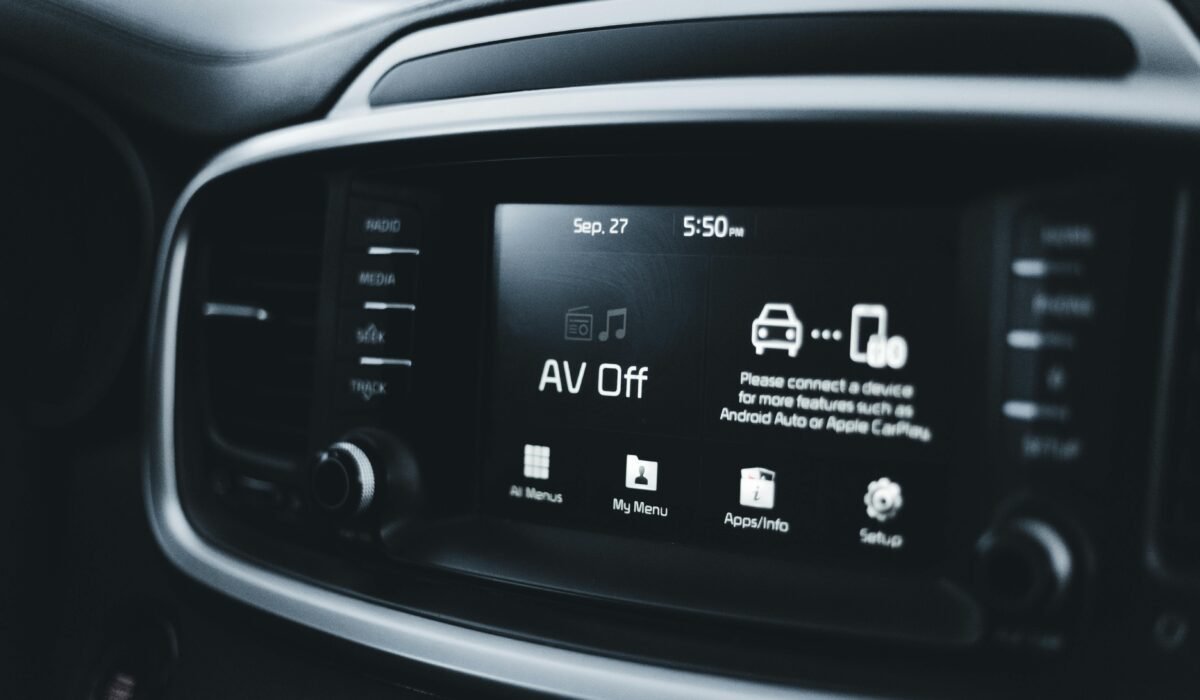
Step into any new car today, and you’ll quickly realize that the dashboard is no longer just a collection of gauges and a radio. In 2026, modern automotive infotainment systems have transformed into the nerve center of your vehicle, seamlessly blending entertainment, communication, navigation, and critical vehicle controls into an intuitive digital experience. For any prospective buyer, understanding these sophisticated systems is paramount, as they now play a pivotal role in comfort, safety, and the overall driving experience.
Gone are the days of clunky interfaces and limited functionality. Today’s infotainment systems are powered by advanced AI, enhanced connectivity, and immersive displays, making them a key differentiator in the competitive automotive market. This guide will help you navigate the cutting-edge features and trends defining in-car technology in 2026, ensuring you make an informed decision for your next vehicle.
The Evolution of In-Car Infotainment in 2026
From simple AM/FM radios and cassette players to today’s integrated digital cockpits, the evolution of in-car technology has been nothing short of revolutionary. In 2026, automotive infotainment systems are no longer an auxiliary feature but rather the core of a vehicle’s identity, deeply intertwined with its operational capabilities. This shift signifies a move towards software-defined vehicles (SDVs), where the car’s intelligence and user experience are primarily driven by its digital architecture.
The market reflects this profound change, with the global automotive infotainment market valued at approximately USD 32.8 billion in 2026, and projected to surge to USD 60.9 billion by 2035. This impressive growth, at a Compound Annual Growth Rate (CAGR) of 7.1%, highlights the increasing consumer demand for advanced in-car technology. While in-dash units continue to dominate, holding a substantial 73.27% market share, wireless connectivity has become the preferred method for integrating devices and services, accounting for 66% of the market in 2025.
Despite these rapid advancements, there’s still room for improvement in user satisfaction. Only about half of drivers with 2020 or newer cars report being “very satisfied” with their infotainment systems. Common frustrations include frozen screens, confusing menus, and overly sensitive touch controls, indicating that while technology is progressing, usability remains a critical area of focus for automakers.
AI & Natural Language: The New Voice of Your Car
The days of rigid, command-based voice controls are rapidly fading into the rearview mirror. In 2026, AI car technology has fundamentally transformed how we interact with our vehicles, bringing natural language processing to the forefront of automotive infotainment systems. This means your car’s voice assistant can now understand context, intent, and even conversational nuances, making interactions far more intuitive and less distracting.
Imagine telling your car, “I’m cold,” and it intelligently adjusts the climate control without you having to specify a temperature or fan speed. This is the reality with systems like Hyundai’s Gleo AI and Polestar’s Google Gemini™, which are designed for human-centric dialogue. These advanced AI assistants act more like a co-pilot, anticipating your needs and performing multi-step actions based on conversational requests, significantly enhancing both convenience and safety.
Leading innovators like Bosch are also pushing the boundaries with their AI Extension Platform, specifically designed to power these next-generation, AI-driven cockpits. Audi’s MMI, a recipient of MotorTrend’s “Best Tech Award 2026,” showcases an AI-enhanced “Hey Audi” voice assistant that seamlessly integrates with its digital displays. This shift towards truly intelligent voice interaction is one of the most exciting car tech trends 2026 has to offer, making your car feel more like a smart companion than a machine.
Beyond the Screen: Immersive Digital Cockpits
The trend towards larger, more expansive displays continues unabated, transforming traditional digital cockpits into immersive “in-car operating spaces.” These aren’t just bigger screens; they are high-resolution, integrated environments designed to captivate and inform. Automakers are creating a “digital living space” within the vehicle, pushing the boundaries of what’s possible for infotainment and entertainment.
Consider the Sony-Honda Afeela, which boasts a massive dual-screen digital dashboard featuring 12.3-inch and 28.5-inch displays. This setup is engineered not just for navigation and vehicle information but also for immersive entertainment, including in-car gaming via PlayStation Remote Play. Similarly, the 2026 Mazda CX-5 offers an available 15.6-inch Google-based infotainment touchscreen, providing a vast canvas for all your digital needs.
Beyond visuals, audio experiences are also becoming deeply immersive. Mercedes-Benz, for example, features native Spatial Audio with Dolby Atmos, delivering a concert-hall-like sound experience directly within the cabin. While touchscreens dominate, there’s also a growing recognition of the importance of physical controls for critical functions like volume and climate. Systems like Hyundai’s Pleos Connect wisely retain essential physical buttons, offering a balanced approach that prioritizes driver safety and reduces distraction.
Staying Connected: 5G, V2X, and Satellite Integration
In 2026, vehicles are evolving into fully networked digital living spaces, thanks to a trifecta of advanced connectivity options. This robust vehicle connectivity ensures that your car is always online, providing real-time information, enhanced safety, and seamless digital experiences, no matter where your journey takes you.
5G in vehicles is a game-changer, enabling ultra-fast data speeds for real-time navigation, high-definition streaming, and more responsive driver support systems. For instance, the 2026 Toyota RAV4 debuts a new multimedia system featuring AT&T 5G connectivity, alongside a faster voice assistant and integrated Spotify streaming. This level of speed and reliability makes everything from over-the-air updates to cloud-based applications incredibly fluid.
Furthermore, Vehicle-to-Everything (V2X) communication is transitioning from a niche technology to an essential safety feature. V2X allows your car to communicate with other vehicles (V2V), infrastructure (V2I), pedestrians (V2P), and the network (V2N). This constant exchange of data enhances situational awareness, helping to prevent accidents, optimize traffic flow, and improve overall road safety.
Finally, satellite integration is emerging to address critical coverage gaps, ensuring “always-on” connectivity even in the most remote areas. This means uninterrupted navigation, emergency services, and communication capabilities, providing peace of mind regardless of your location. Together, these technologies create a truly interconnected automotive ecosystem.
Software-Defined Vehicles & Over-the-Air Updates
The concept of the “software-defined car” (SDV) is no longer futuristic; it’s the present reality of automotive engineering in 2026. This paradigm shift means that a significant portion of a vehicle’s functionality, from its engine performance to its infotainment system, is controlled and defined by software. This approach mirrors the evolution of smartphones, where hardware is merely the platform for ever-evolving software experiences.
A cornerstone of software-defined vehicles is the capability for Over-the-Air (OTA) updates. Just like your smartphone receives updates to improve performance, add new features, and patch security vulnerabilities, modern cars can now do the same. This means your vehicle can literally get better over time, without a trip to the dealership. New features, improved user interfaces, and even enhanced AI capabilities can be pushed directly to your car while it’s parked in your driveway.
This capability is crucial for future-proofing your investment. In a rapidly evolving technological landscape, OTA updates ensure that your infotainment system remains relevant, secure, and equipped with the latest innovations for years to come. It transforms your vehicle from a static piece of hardware into a dynamic, evolving digital companion, continuously adapting to new car tech trends 2026 and beyond.
Key Features to Prioritize in a Modern Infotainment System
When you’re in the market for a new car, the infotainment system should be a significant consideration. To help you navigate the options, here are the key features you should prioritize in a modern automotive infotainment system:
- Responsive Touchscreen and Intuitive Interface: A high-resolution, fast-responding touchscreen is fundamental. Look for customizable home screens and logical menu structures that reduce the need for deep diving into sub-menus, minimizing driver distraction.
- Seamless Wireless Smartphone Integration: Wireless Apple CarPlay and Android Auto features are non-negotiable. They allow you to safely access your favorite navigation, music, and communication apps directly through your car’s display. While many drivers are satisfied with built-in systems (50%), an impressive 57% are “very satisfied” with Apple CarPlay, highlighting its user preference.
- Advanced AI-Powered Voice Control: Prioritize systems with natural language processing capabilities that understand conversational commands. This enhances safety by allowing you to keep your hands on the wheel and eyes on the road.
- Robust Connectivity (5G, Wi-Fi Hotspot): Ensure the system offers 5G connectivity for fast data speeds and a reliable Wi-Fi hotspot to keep all your devices connected. This is essential for real-time traffic, streaming, and OTA updates.
- Over-the-Air (OTA) Update Capabilities: This feature is vital for future-proofing. It ensures your system can receive software updates, new features, and security patches without a dealership visit, keeping your car’s tech up-to-date.
- Balanced Controls: While large touchscreens are impressive, a good system offers a sensible balance with essential physical buttons or dials for critical functions like volume, climate, and frequently used shortcuts. This hybrid approach improves usability and safety.
- Integrated Streaming Services: Look for native integration with popular music and podcast streaming services like Spotify. This reduces reliance on your phone and offers a more streamlined in-car entertainment experience.
Remember to test these features during your test drive. A system that looks good on paper might not feel intuitive in real-world use. Pay attention to how quickly it responds, how easy it is to navigate, and how well its voice assistant understands you.
Troubleshooting Common Infotainment Issues
Even with the most advanced automotive infotainment systems, occasional glitches can occur. While today’s systems are far more reliable than their predecessors, drivers still report frustrations with frozen screens, confusing menus, and overly sensitive touch controls. Knowing a few basic troubleshooting steps can save you a trip to the dealership and get you back on track quickly.
- Frozen Screen or Unresponsive System: Often, the simplest solution is a soft reboot. Try turning the car off, opening and closing the driver’s door (to ensure the system fully powers down), and then restarting the vehicle. Many systems also have a dedicated reset option, usually a button combination (check your owner’s manual) or a menu option.
- Confusing Menus or Navigation: Take advantage of customization options. Most modern infotainment systems allow you to personalize your home screen with frequently used apps or shortcuts. Spend some time setting these up to reduce the need to dig through multiple menus while driving.
- Overly Sensitive Touch Controls: If your touchscreen is registering unintended touches, ensure your hands are clean and dry. Sometimes, a protective screen cover can interfere with touch sensitivity. If the issue persists, it might indicate a software bug or a hardware issue that requires professional attention.
- Voice Assistant Not Responding: Ensure your microphone isn’t obstructed and that you’re speaking clearly. For AI-powered assistants, try rephrasing your request in a more natural, conversational tone. If it’s still unresponsive, a system reboot can often resolve the issue.
- Connectivity Problems (Bluetooth, Wi-Fi): Try forgetting and re-pairing your device for Bluetooth issues. For Wi-Fi, ensure your subscription is active and try toggling the Wi-Fi hotspot off and on.
For persistent issues, always consult your vehicle’s owner’s manual or contact your dealership’s service department. Regular software updates, often delivered over-the-air, can also address many common bugs and improve system stability.
Conclusion
The modern automotive infotainment system in 2026 is a far cry from the rudimentary radios of yesteryear. It’s a sophisticated, AI-driven digital cockpit that defines your driving experience, offering unparalleled connectivity, immersive entertainment, and intuitive control over your vehicle. From natural language voice assistants to expansive digital displays and crucial software-defined capabilities, these systems are central to how we interact with our cars.
As you consider your next vehicle purchase, pay close attention to the infotainment system. Prioritize responsive interfaces, robust connectivity, future-proofing through OTA updates, and a smart balance between touchscreens and physical controls. Don’t just look for the flashiest screen; seek a system that genuinely enhances your daily commute, keeps you safely connected, and adapts to your evolving needs.
Embrace the future of in-car technology. Research, test drive, and choose an automotive infotainment system that truly complements your lifestyle and keeps you ahead of the curve in this exciting era of automotive innovation. Your car is becoming smarter, and with the right infotainment system, so too will your driving experience.