Have you ever wondered if your favorite songs could sound even better, richer, and more true to the artist’s original vision? In a world saturated with digital music, the quest for superior audio quality often leads us to the intriguing realm of lossless audio.
This isn’t just about louder music; it’s about experiencing every nuance, every subtle instrument, and every breath as if you were in the recording studio. But with so many formats and claims, is embracing lossless audio truly worth the investment for you?
What Exactly is Lossless Audio?
Lossless audio is a digital audio format that retains all the original data from the source recording. Unlike its “lossy” counterparts, which permanently discard audio information to reduce file size, lossless codecs use reversible compression. This means that when a lossless audio file is decompressed, the data is an exact, bit-perfect replica of the original pre-compressed data, preserving every single detail.
The core promise of lossless audio is unparalleled fidelity. Formats like FLAC (Free Lossless Audio Codec), ALAC (Apple Lossless Audio Codec), and WAV (Waveform Audio File Format) are designed to deliver sound quality identical to the studio master or a compact disc (CD).
While this fidelity comes at the cost of larger file sizes—typically 2-5 times larger than MP3s—it ensures that no audio information is sacrificed. For example, a three-minute song in MP3 format at 320 kbps might be around 7.2 MB, while the same song in a lossless format could easily reach 30 MB. CD-quality lossless audio typically offers a resolution of at least 16-bit and a sample rate of 44.1 kHz, with bitrates of 1,411 kbps and above.
Lossless vs. Lossy: Understanding the Key Differences
The distinction between lossless and lossy audio formats boils down to how they handle data compression. This fundamental difference dictates the ultimate sound quality, file size, and storage requirements.
How Lossy Compression Works
Lossy compression, used by popular formats like MP3 and AAC, achieves smaller file sizes by permanently removing what it deems as “unnecessary” audio data. This process relies on psychoacoustic models, which identify sounds that the human ear is less likely to perceive due to masking effects or being outside our hearing range.
While highly efficient for storage and streaming over limited bandwidth, the data removed cannot be recovered. This means that even at high bitrates (e.g., 320 kbps), a lossy file is never an exact copy of the original recording. The goal is to make the reduction in quality imperceptible to most listeners under normal conditions.
How Lossless Compression Works
In contrast, lossless compression, as the name suggests, compresses audio data without discarding any information. It uses algorithms to find patterns and redundancies in the audio data, much like a ZIP file compresses documents. When a lossless file is played back, it is fully decompressed, restoring the audio to its exact original state.
This method guarantees bit-perfect fidelity, meaning the decoded audio is identical to the source. Formats such as FLAC and ALAC are prime examples, offering significant file size reductions compared to uncompressed files (like WAV) while preserving every single detail of the original recording. The trade-off is larger file sizes compared to lossy formats, but the benefit is uncompromised audio quality.
Here’s a quick comparison:
- Data Retention: Lossless retains all data; Lossy discards data.
- Sound Quality: Lossless is identical to the original; Lossy has minor, often imperceptible, degradation.
- File Size: Lossless is significantly larger; Lossy is much smaller.
- Common Formats: Lossless includes FLAC, ALAC, WAV; Lossy includes MP3, AAC, Vorbis.
- Bitrate (CD Quality): Lossless is typically 1,411 kbps and above; Lossy is usually 96 kbps to 320 kbps.
Is Lossless Audio Worth It for You?
The question of whether lossless audio is “worth it” is one of the most frequently debated topics among music enthusiasts. The answer, frankly, depends heavily on your individual circumstances, equipment, and listening habits. For many, the difference between high-quality lossy audio (like 320 kbps MP3 or AAC) and lossless audio can be subtle, especially in casual listening environments.
If you primarily listen to music on your smartphone with standard earbuds while commuting, or through a basic Bluetooth speaker, the nuances offered by lossless files might be lost. The limitations of your playback equipment and ambient noise can mask any potential improvements in audio quality. In such scenarios, the larger file sizes and increased bandwidth requirements of lossless audio might not justify the perceived benefit.
However, for audiophiles, critical listeners, or anyone with a dedicated high-fidelity audio setup, the advantages of lossless audio can be significant. They often report a noticeable difference in clarity, dynamic range, and spatial imaging. Instruments sound more distinct, vocals are crisper, and the overall soundstage feels more expansive. This enhanced fidelity can lead to a more immersive and emotionally resonant listening experience.
Considering the increasing accessibility of lossless streaming services, often at no extra cost (like Apple Music), it’s easier than ever to experiment. If you have decent headphones or speakers, giving lossless audio a try might just unlock a new dimension in your music appreciation. Ultimately, the “worth” is subjective, but the opportunity to experience music as the artist intended is a compelling draw for many.
Can Humans Really Hear the Difference?
This is perhaps the most contentious question in the lossless audio debate. While proponents swear by the discernible superiority of lossless formats, many studies and experts suggest that for the average listener, especially in blind tests, reliably distinguishing between high-bitrate lossy audio (e.g., 320 kbps MP3/AAC) and lossless is challenging, if not impossible.
Our ability to perceive these differences is influenced by several factors: the quality of our hearing, the resolution of our playback equipment, the listening environment (a quiet room versus a noisy street), and even the genre of music. Complex classical pieces with wide dynamic ranges and intricate instrumentation are often cited as genres where differences might be more apparent than, say, heavily compressed pop music.
Some audiophiles argue that while the difference might not be immediately obvious, prolonged listening to lossless audio can lead to a greater sense of “fatigue” when switching back to lossy formats, suggesting a subtle but cumulative impact on the listening experience. They claim to perceive greater “air,” “space,” and “realism” that high-quality lossy formats simply cannot replicate.
It’s also crucial to remember that the mastering process of a song often has a far greater impact on its perceived sound quality than the file format itself. A poorly mastered track, even in a lossless format, will sound worse than a well-mastered track in a high-bitrate lossy format. So, while lossless audio preserves every bit of the recording, it can’t magically fix a recording that wasn’t great to begin with.
“While some studies and experts suggest that most people cannot reliably distinguish between high-bitrate lossy and lossless audio in blind tests, others argue that with training, good equipment, and specific music genres (like classical), the differences become apparent. The mastering process of a song often has a greater impact on its perceived sound than the file format itself.” – Research Brief
Ultimately, the human ear is a complex and subjective instrument. While some individuals with trained ears and high-end setups might consistently detect differences, for many, the perceived improvement may not justify the increased file sizes and demands on bandwidth. It’s a personal journey of discovery.
Essential Equipment for Enjoying Lossless Audio
To truly appreciate the fidelity of lossless audio, simply subscribing to a lossless streaming service isn’t enough. Your entire audio chain plays a crucial role. Investing in the right equipment can transform your listening experience, bringing out the subtle details that make lossless sound so compelling.
1. High-Quality Headphones or Speakers
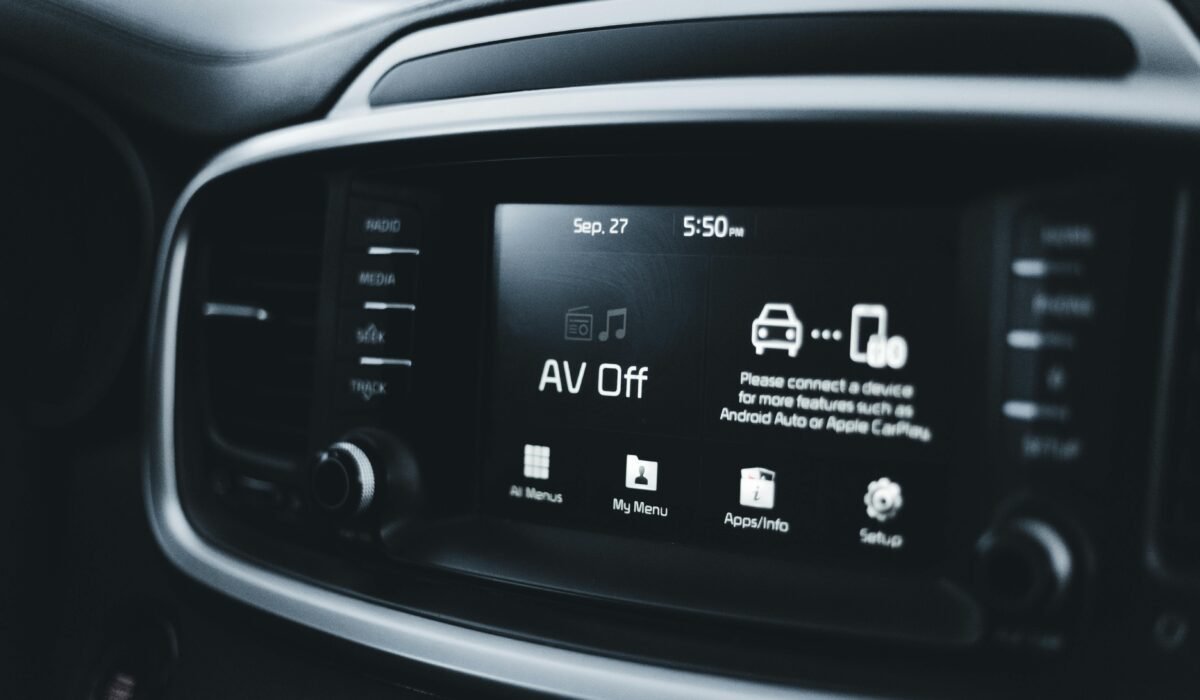
This is arguably the most critical component. Even the most pristine lossless file will sound mediocre through low-quality transducers. You need headphones or speakers capable of reproducing a wide frequency range (generally 20 Hz to 20 kHz) with accuracy and minimal distortion. Look for models known for their clarity, detail retrieval, and balanced sound signature. For car audio enthusiasts, upgrading your car’s sound system can make a significant difference in appreciating lossless tracks on the go. You can explore options in our Upgrade Your Car Audio: Top Trends & Best Systems for 2025 guide.
2. A Digital-to-Analog Converter (DAC)
Every digital audio signal needs to be converted into an analog signal for your headphones or speakers to play. This is the job of a DAC. While your smartphone, computer, or streaming device has a built-in DAC, many of these are designed for convenience, not audiophile-grade performance. They may not process audio at the necessary bitrate or sample rate for high-resolution lossless audio, especially above 48 kHz.
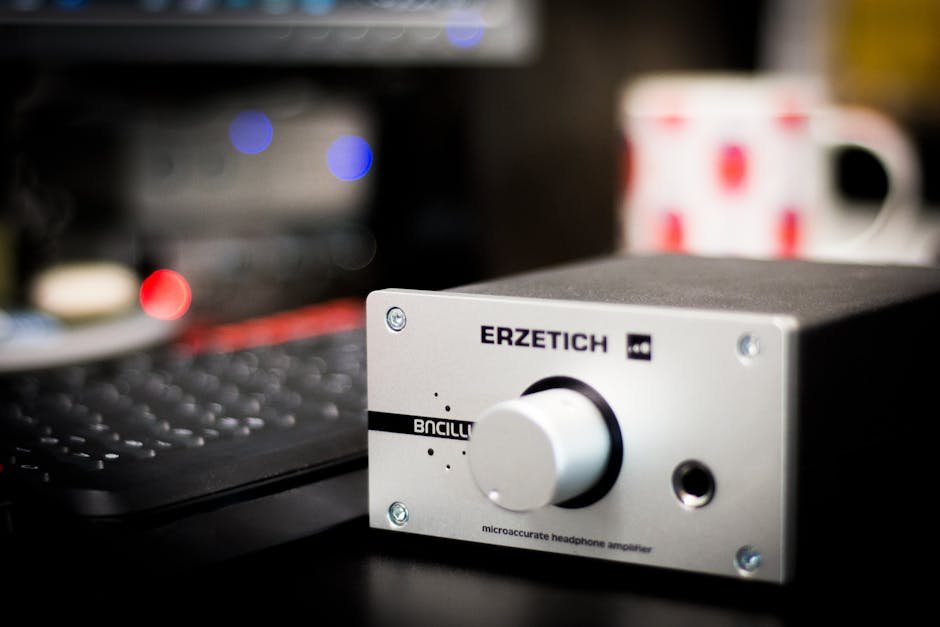
An external DAC for lossless audio is often recommended. These dedicated devices are engineered to minimize noise and distortion, providing a cleaner, more accurate analog signal. They can range from portable USB dongle DACs to desktop units with advanced features, significantly improving the audio quality you hear.
3. Wired Connections
For the purest lossless experience, a wired connection from your source device (phone, computer, dedicated player) to your DAC and then to your headphones or speakers is generally preferred. This eliminates any potential bottlenecks or compression introduced by wireless transmission.
4. Bluetooth Advancements (with caveats)
While traditional Bluetooth connections have historically been lossy due to data compression, advancements are closing the gap. Higher-quality Bluetooth codecs like LDAC (Sony) and aptX Lossless (Qualcomm) can transmit a more complete, albeit still technically compressed, version of the data. Some new headphones, like the Sonos Ace, are noted for achieving very high-fidelity audio with Bluetooth. Bluetooth LE Audio, utilizing LC3 codecs, also promises more energy-efficient wireless audio transmission. However, for true bit-perfect lossless, a wired connection remains the gold standard.
Investing in these components ensures that the integrity of your lossless audio files is maintained throughout the playback chain, allowing you to fully experience the rich detail and dynamic range they offer.
Lossless Audio vs. Hi-Res Audio: What’s the Distinction?
The terms “lossless audio” and “Hi-Res audio” are often used interchangeably, leading to confusion. While they are related, they are not the same. Understanding their distinction is key to navigating the world of high-fidelity sound.
Lossless Audio Defined
As we’ve established, lossless audio refers to any digital audio file that has been compressed without losing any data from the original source. When decompressed, it perfectly reconstructs the original recording. The most common baseline for lossless audio is CD quality, which is 16-bit depth and a 44.1 kHz sample rate. This translates to an uncompressed bitrate of 1,411 kbps (kilobits per second). So, if you have a FLAC file that is 16-bit/44.1 kHz, it is a lossless file.
Hi-Res Audio Explained
Hi-Res audio, or High-Resolution audio, takes this a step further. It refers to audio that has a higher sampling rate and/or bit depth than standard CD quality. In essence, it captures more data points per second and uses more bits to describe the amplitude of each sample, resulting in a more accurate and detailed representation of the original analog sound wave.
Common Hi-Res audio specifications include 24-bit depth with sample rates like 48 kHz, 96 kHz, or even 192 kHz. These higher specifications mean that Hi-Res audio contains more information than CD quality, potentially offering greater dynamic range, finer detail, and a wider frequency response. For instance, a 24-bit/192 kHz file has a significantly higher bitrate than a 16-bit/44.1 kHz file.
The Relationship Between the Two
Here’s the crucial point: all Hi-Res audio is inherently lossless. For audio to be considered “high-resolution,” it must also be free of data loss from compression. You wouldn’t want to capture all that extra detail only to discard some of it with lossy compression.
However, not all lossless audio is Hi-Res. A 16-bit/44.1 kHz FLAC file is lossless, but it is not considered Hi-Res because it doesn’t exceed CD quality. It’s a bit like saying all squares are rectangles, but not all rectangles are squares.
In summary:
- Lossless Audio: Preserves all original data. Can be CD quality (16-bit/44.1 kHz) or higher.
- Hi-Res Audio: Exceeds CD quality (e.g., 24-bit/96 kHz, 24-bit/192 kHz) AND is always lossless.
When you see services offering “Hi-Res Lossless,” they are referring to audio that meets both criteria: it’s higher than CD quality and has undergone lossless compression.
Best Lossless Audio Formats and Streaming Services
The accessibility of lossless audio has dramatically improved, with numerous formats and streaming services now catering to audiophiles and casual listeners alike. Navigating these options can help you find the best fit for your listening preferences and existing equipment.
Popular Lossless Audio Formats
When it comes to lossless audio, a few formats dominate the landscape:
- FLAC (Free Lossless Audio Codec): This is arguably the most popular and widely supported lossless format. FLAC is open-source and royalty-free, making it compatible with a vast array of devices and software. It offers excellent compression ratios, typically reducing file size by 30-50% without any loss of audio data. It supports various bit depths and sample rates, including Hi-Res audio.
- ALAC (Apple Lossless Audio Codec): Apple’s proprietary (though now open-source) lossless format. ALAC is primarily used within the Apple ecosystem, offering seamless integration with Apple Music, iTunes, and iOS/macOS devices. It performs similarly to FLAC in terms of compression and fidelity, making the choice between FLAC vs ALAC often dependent on your device ecosystem.
- WAV (Waveform Audio File Format) and AIFF (Audio Interchange File Format): These are uncompressed lossless formats. They offer the absolute purest form of the audio, as no compression whatsoever is applied. The downside is incredibly large file sizes, making them less practical for storage on portable devices or streaming. They are often used for studio masters or archival purposes.
Leading Lossless Audio Streaming Services
The competitive landscape for lossless streaming has intensified, making high-fidelity audio more accessible than ever:
- Apple Music: A major disruptor, Apple Music offers its lossless and Hi-Res Lossless tiers at no additional cost to its standard subscribers. This includes CD-quality (16-bit/44.1 kHz) up to Hi-Res Lossless (24-bit/192 kHz ALAC). This makes it an incredibly attractive option, especially for users within the Apple ecosystem, though true Hi-Res playback often still requires wired connections or external DACs. Learn more about Apple Music’s lossless audio.
- Amazon Music Unlimited: Amazon also offers a comprehensive lossless and Hi-Res audio library, often branded as “HD” and “Ultra HD.” Their service provides music from CD quality up to 24-bit/192 kHz, competing directly with other premium services.
- Tidal: Long considered a pioneer in high-fidelity streaming, Tidal offers “HiFi” (CD-quality lossless) and “HiFi Plus” (which includes Hi-Res audio, often using MQA technology, and spatial audio formats like Dolby Atmos). Tidal has traditionally positioned itself as a premium service for audiophiles.
- Qobuz: Renowned for its focus on high-resolution audio, Qobuz offers a vast catalog of music available for streaming and download in lossless and Hi-Res formats. It’s a favorite among purists for its commitment to uncompromised audio quality.
- Deezer: Deezer also offers a “HiFi” tier that provides CD-quality lossless audio.
- Spotify HiFi: As of early 2025-2026, Spotify’s long-rumored “Spotify HiFi” lossless tier remains unreleased, creating anticipation but also allowing competitors to capture the lossless market.
When choosing a service, consider not just the audio quality tiers but also catalog depth, user interface, device compatibility, and price. The increasing availability of best lossless streaming options means you have more choices than ever to elevate your music listening.
For more insights into what constitutes lossless audio, you can refer to authoritative sources like RTINGS.com’s guide on lossless audio.
Conclusion
The journey into the world of lossless audio is a fascinating one, promising an unparalleled level of musical fidelity. From understanding what exactly makes audio lossless to discerning the subtle differences between formats and the critical role of your equipment, the path to Hi-Fi sound is multifaceted.
While the debate rages on about whether the human ear can truly discern the difference between high-quality lossy and lossless audio, the increasing accessibility and affordability of lossless streaming services make it easier than ever to conduct your own personal experiment. With services like Apple Music offering lossless at no extra cost, the barrier to entry has significantly lowered.
Ultimately, whether lossless audio is “worth it” for you comes down to your personal priorities, your listening environment, and the quality of your playback system. If you’re passionate about music and seek to experience every detail as the artist intended, investing in decent headphones, a quality DAC, and a lossless streaming subscription can unlock a richer, more immersive auditory experience.
So, why not give it a try? Upgrade your audio setup, explore the lossless tiers of your favorite streaming services, and rediscover your music library with newfound clarity and depth. What differences do you hear? Share your experiences and let us know if lossless audio has transformed your listening!